Featured
Table of Contents
The enablement strategy's objective is to bridge the gap in between possible and efficiency, delivering a methodical approach to sales excellence that resonates with the modern-day purchaser's journey. When we state Sales Enablement, we describe the set of tools and procedures that equip your organization's sales team with the resources they require to boost their efficiency and close more deals.
Your method and playbook should detail a deeply-tailored method that resolves your sales team's distinct requirements. It might offer material, tools, knowledge, and information, all developed to make the sales process smoother and turn leads into clients. I also advise that your sales enablement technique go through continuous evaluation and analysis.
The function of sales enablement surpasses simply handing out resources; it's a cross-functional effort aimed at enhancing sales outcomes. By making the sales cycle smoother and boosting buyer interactions with much better and more relevant sales material, sales enablement assists organisations arm their sales groups with the understanding and tools they need to be more informed and efficient sellers.
Improving Sales Pipeline Performance by Smart Automation
Settling on a set of crucial reports is necessary to use these insights. These reports usually track sales activities, item demonstrations won and lost offers, and leads produced or pursued. By developing systems that turn data into an important asset, you can make educated decisions that drive sales success.

Content is another cornerstone of winning sales enablement method, and it's not simply for marketers. An extensive material audit is crucial to the success of any sales enablement technique.
Among the content types, client case research studies are particularly crucial as they supply real-world proof of the value your service or product can provide. Sales enablement software plays an essential function in managing these materials, offering a central area for producing, sharing, modifying, and handling resources. Such software options not just make details quickly available for sales representatives however also make it possible for sales enablement professionals to smoothen collaboration between the marketing and sales groups on the material that's shared with potential customers and clients.
These concerns may originate from the process itself or the execution by the sales group. When prevalent difficulties are obvious, it generally signifies a systemic concern within the sales procedure. On the other hand, individualised training or guidance may be required if only a couple of salespeople encounter troubles. Figuring out the origins of these traffic jams is essential, and insights from sales agents can be important in determining these crucial points.
Readying Modern Business for Rapid ExpansionLeveraging Multi-Channel Growth Automation for Global Reach
With this info, methods can be developed to resolve and mitigate these problems, ideally before they intensify into larger problems. Harnessing sales data is important for steering sales teams towards viable leads and away from less fruitful ones. Establishing clear organization goals and determining the essential metrics to achieve these objectives is important.
Visual representations of this data can reveal trends and connections that may otherwise go undetected. A data-centric sales team aligns around typical objectives, sticks to a specified sales process, and leverages information to guide future actions. Teams often use CRM tools to record all interactions with prospects and clients, simplifying tasks where possible.
The synergy between the sales and marketing departments involves partnership to establish shared objectives and techniques supported by continuous interaction. This collaboration guarantees that both groups are working towards common targets, such as improved conversion rates and higher-quality leads. Understanding the buyer persona advantages marketing and gears up sales agents with much deeper insights into the interests and needs of their prospects.
Readying Modern Business for Rapid ExpansionStandard Marketing Processes vs. Automated Growth Systems
Regular conferences help keep sales and marketing alignment, guaranteeing consistent interaction. By exchanging reports and insights, both sales and marketing teams can benefit from each other's experiences and successes.
Companies that prioritise this collective technique are most likely to exceed their consumer acquisition goals. Fostering a cohesive marketing group likewise makes sure that marketing efforts efficiently set the stage for sales engagements, leading to a more smooth purchaser's journey and improved sales outcomes. Starting a sales enablement strategy begins with developing precise objectives and KPIs.
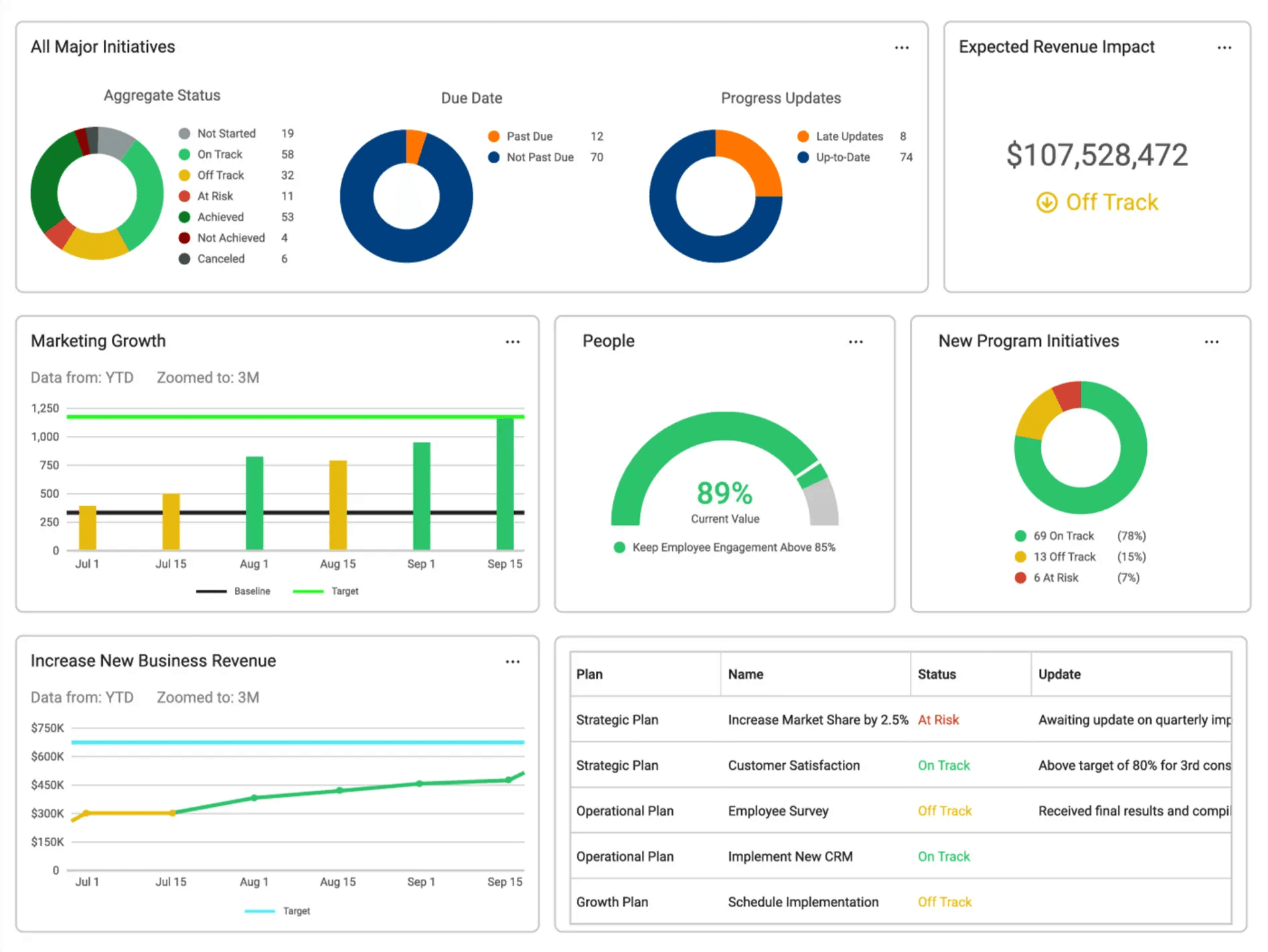
Aiming to decrease the sales cycle duration by a particular percentage within a quarter is more reliable than an unclear goal of increasing sales speed. This includes examining current efficiency, identifying locations for enhancement, and untapped opportunities. Engaging in discussion with staff member about their obstacles and ideas for enhancement is essential.
After identifying particular objectives, it's required to define measurable metrics that line up with the company's wider method. These should be ambitious yet obtainable, with deadlines to keep focus and a sense of urgency. Regularly revisiting and changing these objectives is crucial to keep the team aligned and on the course, as is keeping everybody notified about progress.
Sales enablement platforms can function as a center for sales-related content, bridging sales, marketing, and customer success. Arranging this content with tags such as target purchaser personality, usage case, and sales funnel phase simplifies discovering appropriate materials. Sales leaders who use these platforms typically surpass their revenue targets. These platforms help with a more efficient sales cycle by helping groups determine and engage with certified leads.
Reshaping B2B Presence with AEO Search Strategies
A superior sales enablement tool integrates flawlessly with existing CRM systems, is easy to use, and accommodates the mobile nature of sales specialists. Choosing appropriate innovation and tools is vital for an effective sales enablement strategy. The tools need to support a series of functions, such as engagement, content management, training, and analytics.
It needs to assist in the shipment of training materials and analytics within the CRM, offering sales associates with necessary details in one location. The platform ought to make it possible for sales teams to quickly gain access to and use the best content produced by product marketing and material groups, with features that enable efficient organisation and curation of sales-related content.
These programs need to be customized to the specific requirements and challenges of the sales force, guaranteeing they are fluent in item information and sales techniques. A standardised training technique promotes consistency and guarantees all employee are aligned. Partnership amongst numerous departments is essential to producing an extensive training curriculum encompassing insights from different business areas.
Continuous training and efficiency examination are important to preserving and improving sales efficiency. Sales enablement functions as a constant enhancement system within the sales division, looking for out and carrying out best practices and innovations. Regular analysis of sales metrics and KPIs allows for identifying areas for enhancement and strengthening successful strategies.

Latest Posts
Leading Analytics Tools for Advanced Marketers
Connecting Strategic Assets for User Experience
The Complete Guide to Modern AI Search Strategy